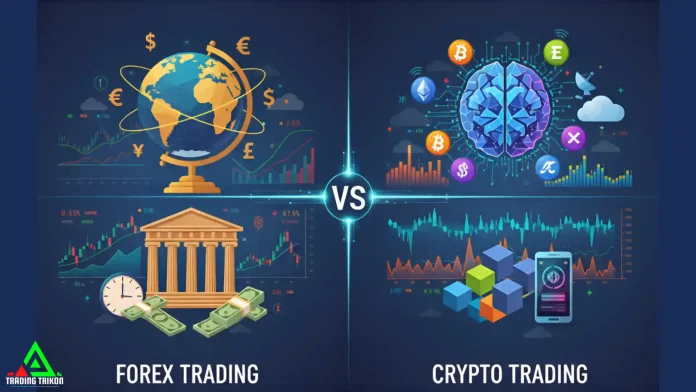
In the fast-paced world of forex trading, selecting the right broker can make all the difference between success and costly mistakes. With markets evolving rapidly and new technologies emerging, knowing how to choose a regulated forex broker in 2026 is essential for protecting your investments and maximizing opportunities. This guide breaks down the key steps, from understanding regulations to spotting warning signs, helping you navigate the landscape with confidence. Whether you’re a beginner dipping your toes into currency pairs or an experienced trader refining your strategy, these insights will equip you with the tools to make an informed decision.
Why Regulation Matters in Forex Trading
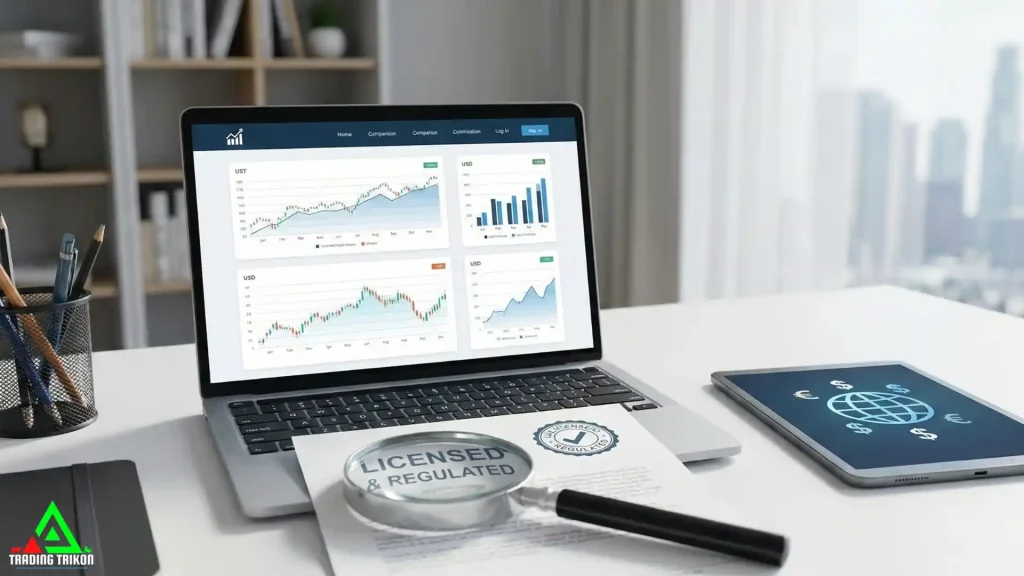
Regulation serves as the backbone of trust in the forex industry. It ensures brokers operate transparently, safeguard client funds, and adhere to ethical standards. Unregulated brokers might offer tempting perks like high leverage, but they often expose traders to risks such as fund mismanagement or outright scams. In 2026, with global economic uncertainties and advancing digital threats, sticking to regulated entities minimizes these dangers and provides recourse through official channels if issues arise.
Regulated brokers must comply with strict rules on capital requirements, reporting, and client protection. This not only promotes fair trading but also fosters a stable environment where you can focus on strategies rather than worrying about broker reliability.
Key Regulatory Bodies for Forex Brokers

When evaluating brokers, start by verifying their oversight from reputable authorities. In major markets, these bodies enforce rigorous standards:
- Commodity Futures Trading Commission (CFTC): Oversees forex and futures markets, ensuring brokers maintain adequate capital and prevent manipulative practices.
- National Futures Association (NFA): A self-regulatory organization that monitors member firms for compliance, handles disputes, and promotes industry integrity.
Look for brokers registered with both the CFTC and NFA, as this duo provides robust protection. Other global regulators like the Financial Conduct Authority (FCA) in the UK or the Australian Securities and Investments Commission (ASIC) can add layers of credibility, especially if the broker operates internationally. Always check the broker’s website or the regulator’s database for active licenses—fake claims are a common ploy among shady operators.
Essential Factors to Consider When Choosing a Broker
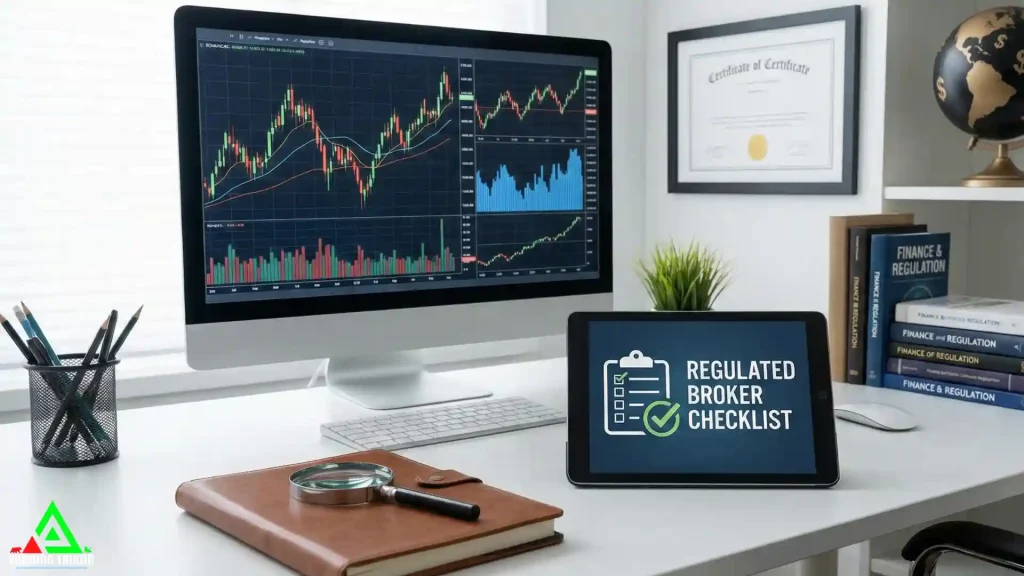
Choosing a broker isn’t just about regulation; it’s about finding one that aligns with your trading style and goals. Here are the core elements to evaluate in 2026:
Regulation and Compliance
Prioritize brokers with verifiable licenses from top-tier regulators. Confirm their status directly on official sites to avoid forged documents. Regulated brokers often segregate client funds, offer negative balance protection, and undergo regular audits.
Trading Platforms and Technology
A seamless platform is crucial for efficient trading. Look for user-friendly interfaces with advanced charting, real-time data, and mobile compatibility. Popular options include MetaTrader 4 (MT4), MetaTrader 5 (MT5), or proprietary platforms. In 2026, expect integrations with AI-driven analytics and automated trading tools to enhance decision-making.
Fees and Costs
Compare spreads, commissions, and hidden charges like inactivity fees or withdrawal costs. Tight spreads on major pairs like EUR/USD can save you significantly over time. Opt for transparent pricing models—commission-based for active traders or spread-only for simplicity.
Customer Support
Reliable support can be a lifesaver during market volatility. Test response times via live chat, phone, or email. In 2026, look for 24/7 availability and multilingual options, plus educational resources like webinars.
Account Types and Minimum Deposits
Brokers offer various accounts, from micro for beginners to VIP for high-volume traders. Check minimum deposits—some start at $0, ideal for testing waters, while others require $100 or more. Ensure demo accounts are available for practice.
Security and Fund Protection
Cyber threats are rampant, so choose brokers with strong encryption, two-factor authentication, and insurance against bankruptcy. Regulated firms often participate in compensation schemes that cover losses up to certain limits.
Red Flags to Watch Out For

Not all brokers are created equal, and spotting red flags early can prevent headaches. Be wary of:
- Unrealistic Promises: Guarantees of high returns or “risk-free” trading are scams—forex involves inherent risks.
- Lack of Transparency: If a broker hides fees, ownership details, or regulatory info, steer clear.
- Pressure Tactics: Aggressive sales calls or bonuses with strings attached often signal trouble.
- Poor Reviews: Consistent complaints about withdrawals or platform glitches on independent sites.
- Offshore Only: Brokers solely in lax jurisdictions without top-tier oversight pose higher risks.
- No Demo Account: Legitimate brokers let you test without real money.
If something feels off, trust your instincts and research further.
How to Research and Review Brokers
Don’t rely on broker claims alone—dive into third-party reviews. Sites like Trustpilot, Forex Peace Army, or BrokerChooser provide user experiences and ratings. Analyze pros like execution speed and cons like customer service delays. In 2026, leverage AI-powered review aggregators for sentiment analysis. Cross-reference with regulator complaint databases for any violations. Reading multiple sources ensures a balanced view, helping you avoid biased promotions.
Comparison of Top Regulated Forex Brokers in 2026

To simplify your search, here’s a comparison table of five leading regulated brokers based on current data. These are selected for their strong US compliance, features, and trader feedback.
| Broker | Regulation | Minimum Deposit | Platforms | Spreads/Commissions | Pros | Cons |
| FOREX.com | CFTC, NFA, FCA, ASIC | $100 | MT4, MT5, Proprietary | 0.1 pips on EUR/USD; $5/lot | Wide currency pairs, advanced tools, low fees | Higher spreads on some pairs |
| OANDA | CFTC, NFA, FCA, ASIC | $0 | MT4, MT5, OANDA Trade | 0.9 pips on EUR/USD; No commission | Excellent research, API trading, no min deposit | Limited asset variety beyond forex |
| Interactive Brokers | CFTC, NFA, SEC, FCA | $0 | Proprietary, TWS | 0.1 pips; 0.2 bps * trade value | Low costs for pros, vast markets, 100+ pairs | Complex for beginners; ECP for some US |
| Charles Schwab | SEC, FINRA, CFTC | $0 | thinkorswim | 1.4 pips on EUR/USD; No commission | Multi-asset trading, strong education | Higher spreads, no trading signals |
| tastyfx (IG US) | CFTC, NFA, FCA | $0 | Proprietary, MT4 | 0.9 pips on EUR/USD; No commission | User-friendly, 98+ pairs, great mobile app | Limited to US-listed assets in some cases |
This table highlights key differences—choose based on your priorities, like low costs or platform ease.
Final Thoughts
Selecting a regulated forex broker in 2026 boils down to thorough research, prioritizing safety, and matching features to your needs. By focusing on compliance, costs, and user feedback, you’ll position yourself for sustainable trading success. Remember, the best broker evolves with you—start small, use demos, and stay informed on market shifts. Ready to trade? Verify your choice today and step into the forex world with assurance.
How do I verify if a forex broker is truly regulated?
To verify a broker, locate the license number at the bottom of their website and cross-check it on the official regulator’s online database (e.g., FCA, ASIC, or CySEC). Always ensure the website URL listed on the regulator’s registry matches the broker’s site exactly to avoid “clone” scams.
Why is it important to choose a regulated forex broker?
Regulation ensures that a broker adheres to strict financial standards, such as keeping client funds in segregated bank accounts separate from company funds. This oversight provides traders with legal recourse and financial compensation schemes in case the broker goes bankrupt or acts fraudulently.
Which regulatory bodies are considered the most trustworthy?
The most trusted “Tier-1” regulators include the FCA (UK), ASIC (Australia), and the NFA/CFTC (USA) due to their stringent capital requirements and consumer protection laws. “Tier-2” regulators like CySEC (Cyprus) are also reputable but generally have slightly more flexible compliance standards.
Is my money safe with a regulated forex broker?
While trading always carries market risk, your deposited funds are significantly safer because regulated brokers must offer Negative Balance Protection and segregate client money. This prevents the broker from using your capital for their own operational expenses, hedging, or paying off debts.
What are the risks of trading with an unregulated broker?
Unregulated brokers operate without oversight, meaning they can manipulate prices, widen spreads, or block withdrawals with zero legal consequences. If an unregulated broker shuts down or disappears, there is no government authority or compensation fund to help you recover your lost money.
Do regulated brokers charge higher fees than unregulated ones?
Not necessarily; many regulated brokers offer highly competitive spreads and zero commissions because they have access to deep liquidity from top banks. Conversely, unregulated brokers often advertise “zero fees” as a trap to lure victims into depositing funds that they will never be allowed to withdraw.