In today’s fast-paced financial world, trading has become more accessible than ever, turning everyday people into active participants in global markets. Imagine waking up to check your phone and seeing your investments grow overnight—or, on a tougher day, learning from a dip that sharpens your strategy.
Whether you’re a beginner eyeing your first stock purchase or a seasoned investor diversifying into cryptocurrencies, understanding trading is the key to unlocking potential opportunities. This guide breaks down the essentials of trading, exploring stock, crypto, Comex, and forex markets in detail. We’ll cover what trading really means, how each type works, the risks involved, and practical tips to get started. By the end, you’ll have a solid foundation to make informed decisions and navigate these exciting arenas with confidence.
The Fundamentals of Trading: What You Need to Know
At its core, trading is the act of buying and selling financial instruments with the goal of profiting from price fluctuations. Unlike long-term investing, where you might hold assets for years, trading often involves shorter time frames—ranging from seconds in day trading to weeks or months in swing trading. Traders analyze market trends, economic news, and technical indicators to predict movements and execute trades.
How Does Trading Work?
Trading happens on exchanges or over-the-counter (OTC) platforms where buyers and sellers meet. You’ll need a brokerage account to access these markets, which acts as your gateway. Once set up, you can place orders like market orders (buy/sell at current price) or limit orders (set a specific price). Leverage, margin, and derivatives like options or futures add layers of complexity, allowing you to control larger positions with less capital—but they also amplify risks.
Key elements include:
- Assets: These are what you trade, from company shares to currencies.
- Markets: Centralized like stock exchanges or decentralized like crypto networks.
- Strategies: Fundamental analysis (studying company health) vs. technical analysis (chart patterns).
- Tools: Apps, charts, and algorithms that help spot opportunities.
Trading isn’t gambling; it’s a skill honed through education and practice. However, it’s crucial to remember that markets are influenced by everything from geopolitical events to interest rate changes, making outcomes unpredictable.
The Risks and Rewards
The allure of trading lies in its potential for high returns—think turning a modest sum into significant gains through smart moves. But rewards come with risks: volatility can wipe out investments quickly, and emotional decisions often lead to losses. Regulatory bodies emphasize starting small, using demo accounts, and never risking more than you can afford to lose. Successful traders focus on risk management, setting stop-loss orders to limit downside.
Stock Trading: Building Wealth Through Shares
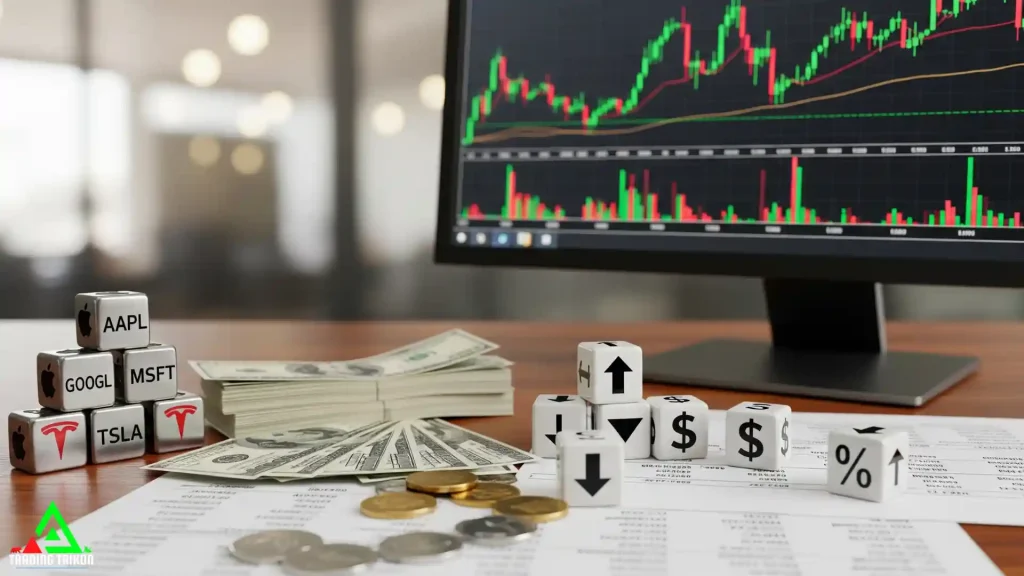
Stock trading is perhaps the most familiar form, where you buy and sell shares of publicly traded companies. It’s like owning a tiny piece of giants like Apple or Tesla, profiting when their value rises or through dividends.
Getting Started with Stocks
To trade stocks, open an account with a broker like those offering commission-free trades. You’ll research companies using metrics like earnings per share (EPS) and price-to-earnings (P/E) ratios. Exchanges such as the NYSE or Nasdaq operate during business hours, but after-hours trading extends opportunities.
Popular strategies:
- Day Trading: Buy and sell within the same day to capitalize on short-term price swings.
- Swing Trading: Hold positions for days or weeks based on trends.
- Value Investing: Seek undervalued stocks for long-term growth.
Pros include liquidity (easy to buy/sell) and diversification via ETFs. Cons? Market crashes can erode value, as seen in past downturns. Tip: Stay updated with earnings reports and use tools like stock screeners to find hidden gems.
Crypto Trading: The Digital Frontier of Volatility and Innovation

Cryptocurrency trading has exploded in popularity, offering 24/7 access to digital assets like Bitcoin and Ethereum. Unlike traditional markets, crypto operates on blockchain technology, decentralizing control and enabling peer-to-peer transactions.
How Crypto Trading Operates
Trades occur on exchanges like Binance or Coinbase, where you can spot trade (direct buy/sell) or use futures for leveraged bets. Prices swing wildly due to news, regulatory shifts, or even social media buzz—remember how a single tweet once sent markets soaring?
Key aspects:
- Wallets and Security: Store coins in hardware wallets to avoid hacks.
- Altcoins and Tokens: Beyond Bitcoin, explore thousands of alternatives like Solana for faster transactions.
- DeFi and NFTs: Trade decentralized finance products or non-fungible tokens for unique opportunities.
While crypto has minted millionaires, it’s notoriously volatile—prices can plummet 50% in days. Rewards include high liquidity and global access, but risks like scams and regulatory uncertainty loom large. Pro tip: Use technical indicators like RSI (Relative Strength Index) and diversify to mitigate losses.
Comex Trading: Profiting from Commodities Like Gold, Silver, and Oil
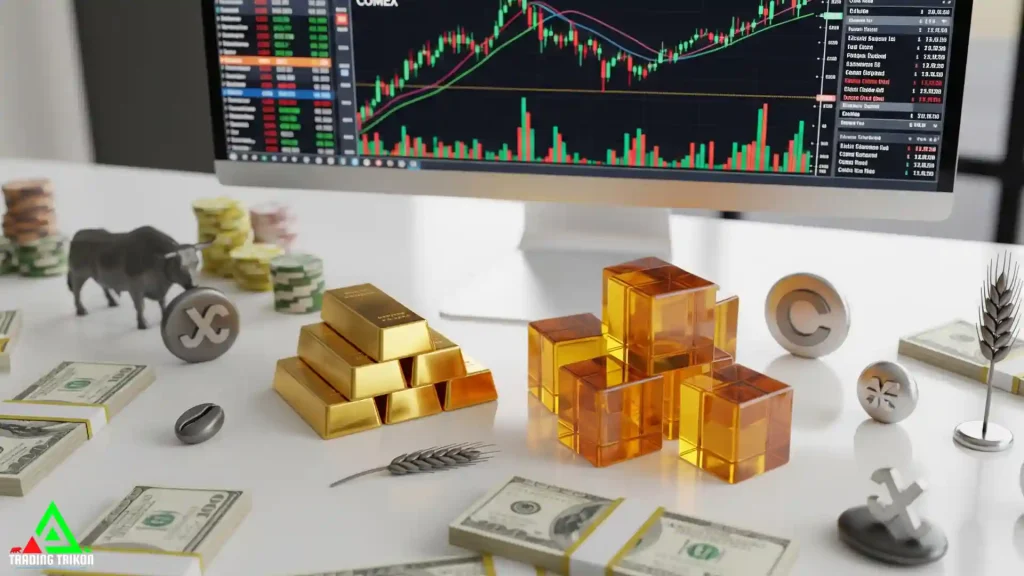
Comex trading focuses on commodities through the Commodity Exchange (Comex), a division of the CME Group. Here, you trade futures contracts for physical goods like precious metals, energy, and agricultural products without actually handling them.
Essentials of Comex Trading
Futures allow you to agree on a price today for delivery later, hedging against price changes. For instance, gold trading on Comex helps investors protect against inflation. Sessions run electronically nearly 24 hours, with high volume in metals like silver and copper. Strategies involve:
- Speculation: Bet on price directions based on supply-demand news.
- Hedging: Producers lock in prices to avoid losses from market dips.
Advantages: Commodities often move inversely to stocks, aiding portfolio balance. Drawbacks: High margins required, and events like weather or wars can cause sharp volatility. Begin with mini-contracts for lower entry barriers and monitor reports from bodies tracking global supplies.
Forex Trading: Navigating the World’s Largest Market
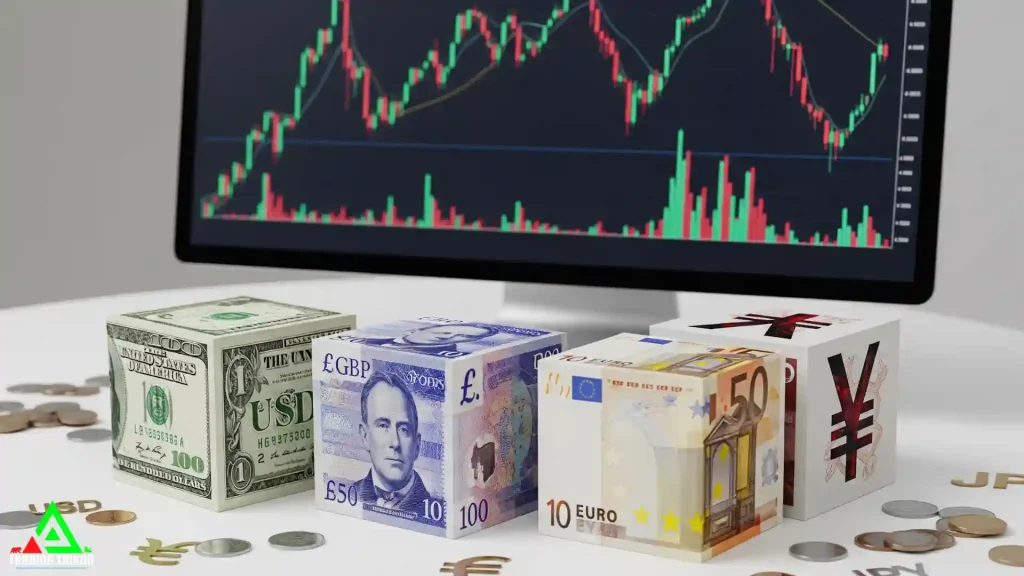
Forex, or foreign exchange trading, involves swapping currencies like USD/EUR. It’s the biggest market globally, with trillions traded daily, operating 24/5 across major centers like New York and London.
Mastering Forex Basics
Trade currency pairs—majors like EUR/USD or exotics like USD/TRY. Leverage is common, letting you control large positions with small capital, but it magnifies losses. Brokers provide platforms with real-time charts and economic calendars. Core strategies:
- Scalping: Quick trades for small profits.
- Carry Trading: Profit from interest rate differences between countries.
- News Trading: React to releases like GDP data or central bank announcements.
Pros: High liquidity means tight spreads, and no central exchange reduces manipulation risks. Cons: Geopolitical tensions can trigger sudden shifts. Essential advice: Practice on demo accounts and use tools like Fibonacci retracements for entry/exit points.
Wrapping Up: Your Next Steps in the Trading World
Trading—whether in stocks, crypto, Comex, or forex—offers thrilling ways to engage with finance, but it’s not a get-rich-quick scheme. Success demands discipline, continuous learning, and a clear risk strategy. Start by educating yourself through free resources, simulate trades, and build a diversified approach. Remember, even pros face losses; the key is resilience and informed choices.
Ready to dive in? Open a practice account today and test the waters.
What is the difference between trading and investing?
Trading focuses on short-term profits from frequent buying and selling of assets based on market fluctuations. Investing is a long-term strategy centered on holding assets to build wealth gradually over time. The key distinction lies in the timeframe, methodology, and frequency of transactions.
How much money do I need to start trading?
The capital required varies by market; some platforms let you start with as little as a few hundred dollars for stocks or crypto. However, a more substantial amount is often recommended to effectively manage risk and diversify your positions. Always start with an amount you are willing to lose.
Which type of trading is best for beginners?
Stock trading is often considered the most suitable for beginners due to abundant educational resources and less complexity. Markets like Forex and Comex involve higher leverage and volatility, typically requiring more experience. It’s wise to start with a market you can easily understand and research.
Can you make a living from trading?
While possible, making a living from trading is extremely difficult and requires extensive knowledge, skill, and discipline. The vast majority of traders are not consistently profitable and face significant financial risk. It’s best viewed as a supplemental income source rather than a primary career at the start.
What is the most important skill for a trader?
Discipline is arguably the most crucial skill for a successful trader. This includes sticking to a well-defined trading plan, managing risk with stop-loss orders, and controlling emotions like fear and greed. Without discipline, even the best trading strategy is likely to fail.
Is it better to trade stocks or cryptocurrency?
This depends entirely on your risk tolerance and investment goals. Stocks are more traditional, regulated, and generally less volatile, making them suitable for conservative approaches. Cryptocurrencies offer higher potential returns but come with extreme volatility and less regulatory oversight.